You may have spotted videos on TikTok recently tagged #solareclipse - that's because something unusual is about to happen.
On 12 August, part of the Sun over the UK will be obscured by the moon. You may even notice the sky go slightly darker, although the best views will be from areas in Spain and Iceland.
But what about some of the myths that have sprung up about the Sun over the years? BBC Bitesize Other Side of the Story put on its strongest pair of sunglasses, applied a healthy dose of sun cream and investigated further.
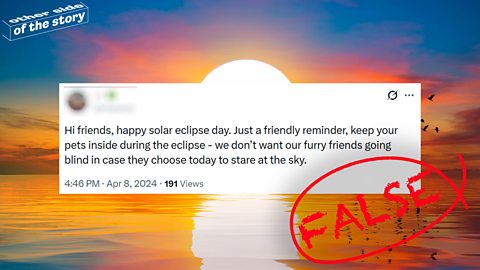
A solar eclipse doesn't happen often and solar eclipse glasses, which allow people to see the event while protecting their eyes, have had strong sales ahead of the big day.
It's understandable that people have concerns when their part of the world goes dark at an unusual time of day. When there was a total solar eclipse in the USA in 2024, some posters on socials were worried their pets would damage their eyes by looking directly into the sun.
Fact-checking website Snopes contacted the American Kennel Club for this advice: "Most dogs only look up toward the sky if something flies overhead or catches their attention. So if the eclipse in your area is large enough to actually darken the sky, your dog shouldn't be looking up to figure out what's going on." The Kennel Club also stated that pets in general, including cats, should not get stressed by an eclipse.
Remember to check reliable sources before following advice you see online - though it's natural to want to protect our pets! Seek advice from a vet if your pet ever displays concerning symptoms or behaviour.
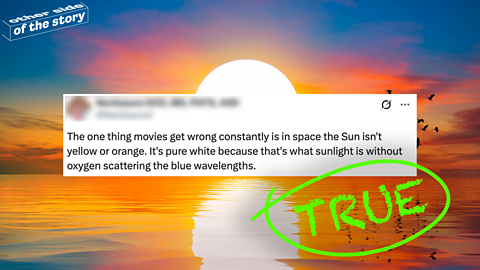
Did you know that the Sun isn't actually yellow, red or orange? If you were to observe the Sun from space you would notice that it's actually all the colours of the light spectrum mixed together, which our eyes see as white.
When sunlight passes through the Earth's atmosphere shorter wavelengths of light (blue and violet) scatter more, leaving the Sun to appear more yellowish to our eyes.
Remember, it’s important never to look directly at the Sun without the correct equipment.
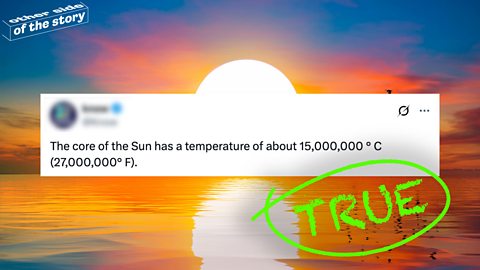
The official highest temperature ever recorded on Earth is 56.7C, but that's chilly compared to the Sun, where temperatures can reach a spicy 5,500C at the surface! The Sun's core gets much hotter, at around 15 million degrees Celsius – to put that into perspective it's 1,500 times hotter than the lava running under Mauna Loa, the largest volcano on Earth and 300 times hotter times hotter than the Earth's core, which is around 6,000°C.
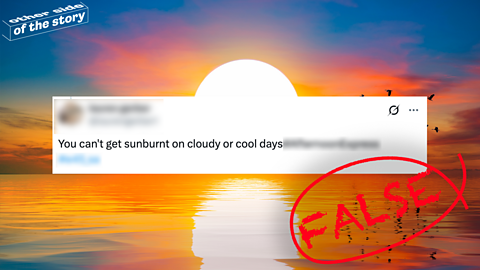
If you think you can’t get sunburnt if it’s cloudy or cool, then think again! The Sun’s rays are often strongest between mid-March and mid-October, so it’s always best to wear sunscreen when outdoors during these months. Over exposure to UV rays causes harm to your skin.
Misinformation about the Sun
With so many posts about the Sun on socials, especially during the warmer months, it's likely that not everything you see and read will be true, which can lead to misinformation being spread and shared online. When you read and watch content on your socials, think before you share. Do your own research and check that the information comes from trusted sources and experts.
This article was updated in August 2026.

Not sure if the news you’re seeing on social media is true or false? Can you always tell if the things you see online are real or fake?
Learn how to get the other side of the story with our quizzes, videos and explainers about media skills and viral trends including popular food myths.

Is banana the new matcha?
Why the familiar fruit has gone viral this summer